Major sporting events have always attracted major advertisers. That part is nothing new.
What’s changing is how brands are choosing to show up.
From the Super Bowl and March Madness to the Masters, Kentucky Derby, NASCAR, and Formula 1, more brands are moving away from strictly product-focused messaging and building campaigns around something bigger: the experience itself.
Instead of only asking, “How do we sell our product?” brands are asking, “How do we become part of this moment?”
Selling the moment, not just the product
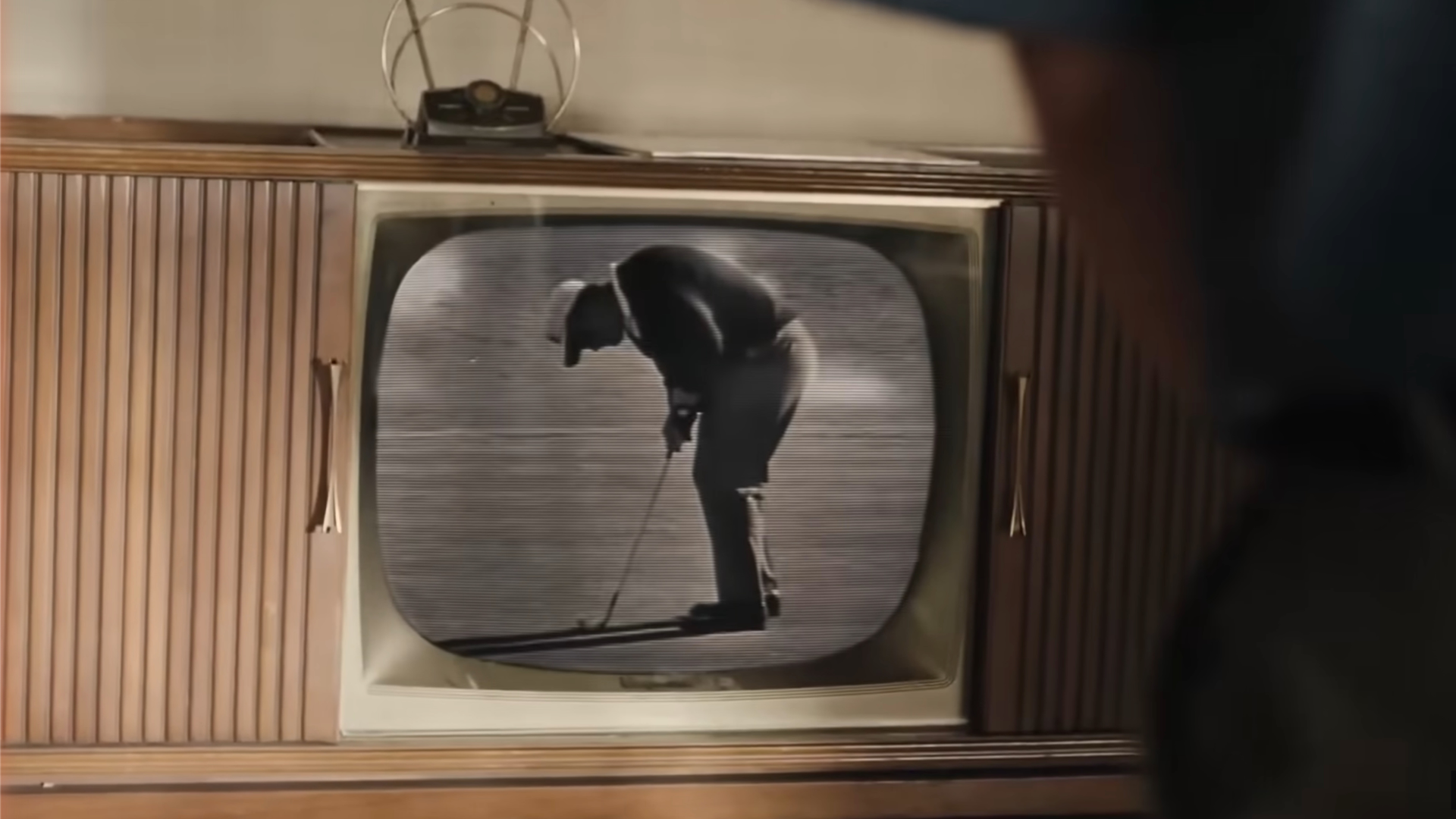
The Masters is a strong example of event-first sports marketing in action. During tournament coverage, many ads leaned into Augusta, golf culture, tradition, and the overall feeling of the event.
The best spots didn’t feel like random commercials dropped into a premium media slot. They felt like they belonged there. They understood the calm confidence of the Masters, the legacy of the tournament, the ritual of returning to Augusta National every year, and the fact that this event means something specific to the people watching.
That is what makes sports advertising feel intentional instead of interruptive.
When a brand understands the audience, tone, and emotional rhythm of an event, the campaign becomes part of the viewing experience rather than a break from it. It does not just borrow attention from the event. It adds to the atmosphere around it.
A good sports ad knows the room
A strong sports campaign does not always need to lead with a product feature. Sometimes, it is more effective to lead with a feeling.
One CBS Master’s brand film followed a man’s life from childhood to fatherhood to becoming a grandfather, with the tournament always present in the background. The “product” may not have been the first thing viewers remembered, but the emotion stayed with them.
The event becomes part of the viewer’s personal timeline. The brand earns attention by respecting that connection instead of forcing a hard sell. In a world where audiences can spot overly polished, overly salesy content from a mile away, emotional relevance can go a long way.
It’s not about disappearing from the message. It’s about knowing when the moment matters more than the pitch.
Nostalgia still has game
Nostalgia is also playing a major role in modern sports marketing.
The return of the classic “This is SportsCenter style commercial works because it taps into how fans remember sports media itself. It feels familiar, funny, and connected to the larger culture of being a sports fan.
That same idea shows up across other major sporting events. Derby Day ads often lean into fashion, tradition, Southern lifestyle, and the ceremony of the day. Formula 1 campaigns build around speed, luxury, and global prestige. March Madness campaigns tap into bracket chaos, school pride, and the beautiful unpredictability that keeps everyone watching.
In each case, brands aren’t just advertising during the event. They’re advertising around the feeling of the event. That’s a big difference.
So, are brands selling products or the moment?
The answer is both. Or at least, the best ones are.
The strongest sports advertising campaigns still have a clear brand message, but they don’t force the product to carry the entire story. They understand that major sporting events already come with emotion, memory, culture, and community built in.
Smart brands use that to their advantage. They look at what people already love about the event and find a natural way to be part of it. Not louder. Not more aggressive. Just more in tune with the moment.
Brands that understand the audience, tone, traditions, and cultural context of an event can create campaigns that feel native to the experience. Brands that don’t risk feeling forced, forgettable, or completely disconnected.
Build around the moment
For marketers, the lesson is simple: placement is not enough.
A commercial airing during a major sporting event doesn’t automatically make it culturally relevant. The creative has to match the moment. It has to understand why people care, what they expect, and what kind of story will actually resonate in that space.
Because in the biggest sports moments, audiences aren’t just watching a game, a race, or a tournament. They’re participating in a shared tradition. The brands that win are the ones that know how to add to it.
At Big Slate, that’s the kind of creative thinking we love. The kind that looks past the obvious product message and asks what people are actually feeling, watching, talking about, and remembering.
Whether it’s a sports campaign, a brand film, a social series, or a full-scale commercial concept, the goal is the same: create work that feels intentional, relevant, and impossible to ignore.
Ready to build something that belongs in the moment? Let’s talk.